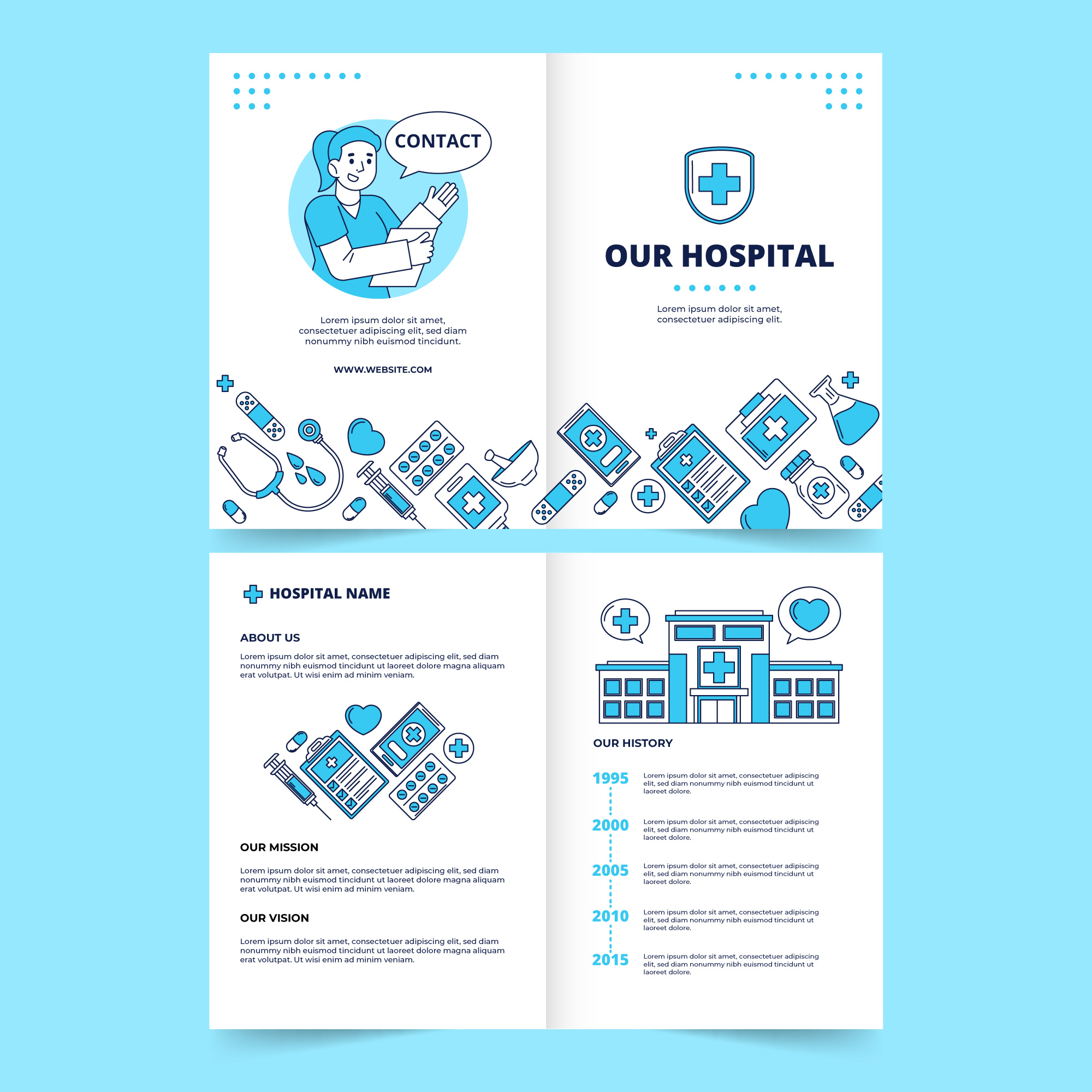
In the healthcare industry, clear and effective communication is essential. Whether educating patients, promoting services, or explaining medical procedures, brochures remain a powerful tool. One of the most impactful ways to elevate these materials is through the use of stock illustrations. When chosen thoughtfully, they can simplify complex concepts, improve engagement, and create a more approachable visual experience—without requiring a large design budget.
The Role of Visuals in Healthcare Communication
Healthcare information can often feel overwhelming, especially for patients with limited medical knowledge. Stock illustrations help bridge this gap by transforming technical content into easy-to-understand visuals. Diagrams, icons, and character-based illustrations can depict symptoms, treatments, and preventive care in a way that feels less intimidating than text-heavy explanations.
Unlike generic photos, illustrations offer flexibility. They can be tailored to represent diverse populations, different age groups, and sensitive topics with greater inclusivity and subtlety. This makes them especially useful for brochures that address topics like mental health, chronic illness, or pediatric care.
Benefits of Using Stock Illustrations
One of the biggest advantages of stock illustrations is accessibility. Designers and healthcare providers can choose from thousands of pre-made visuals that are ready to use. This eliminates the need to commission custom artwork, saving both time and resources.
Additionally, many platforms offer cheap images that maintain professional quality. These affordable options allow clinics, hospitals, and small healthcare businesses to produce visually appealing brochures without exceeding their budgets. By leveraging cheap images, organizations can allocate more resources to content development and distribution.
Consistency is another key benefit. Stock illustration libraries often include sets or collections with matching styles, ensuring a cohesive look across all marketing materials. This consistency strengthens brand identity and builds trust with patients.
Choosing the Right Illustrations
Selecting the right visuals requires careful consideration. First, ensure that the illustrations align with the tone of your message. For example, a pediatric brochure may benefit from bright, friendly characters, while a cardiology brochure might require more clean and professional visuals.
Accuracy is equally important. Medical illustrations should be clear and factually correct to avoid misinformation. While stylized graphics are useful, they should not distort essential details that patients rely on for understanding.
It’s also important to prioritize diversity and inclusivity. Choose illustrations that reflect different ethnicities, ages, and abilities to ensure all patients feel represented and respected.
Best Practices for Integration
To maximize the effectiveness of stock illustrations, they should complement—not overwhelm—the content. Use visuals to highlight key points, break up long sections of text, and guide the reader’s attention through the brochure.
Pair illustrations with concise captions or labels to reinforce the message. This combination improves comprehension and retention, especially for readers who may skim through the material.
Maintaining proper spacing and layout is also crucial. A clean, organized design enhances readability and ensures that both text and visuals work together harmoniously.
Conclusion
Stock illustrations are a valuable asset in creating effective healthcare brochures. They simplify complex information, enhance visual appeal, and support better patient understanding. With the availability of cheap images, even organizations with limited budgets can produce high-quality materials that communicate clearly and professionally. By selecting accurate, inclusive, and well-designed visuals, healthcare providers can significantly improve the impact of their printed communication.